

- Design changes on Type 31 ships 1–2 are causing extra rework and higher costs
- Babcock will take a £140m contract charge (around £100m as an FY26 revenue reversal)
- Changes may be linked to future upgrades like MK 41 VLS; later ships are less affected
Naval manufacturer Babcock has revealed that design changes required on the UK’s Type 31 frigate programme has resulted in a new £140m ($189.5m) charge on the original contract for the completion of the design and delivery phase.



Detailed in its FY26 post close trading update on 13 May, Babcock said during the year it had floated off the first and second ships of the five-ship programme, laid the keel for ship three and formally commenced the build of ship four.
“As we finish structural completion of ship one, the bulk of the remaining work now relates to outfitting and commissioning,” Babcock stated.
However, the company revealed that during the outfitting stages, its teams were experiencing “higher than expected levels of rework” as a result of changes to the ship’s design and the long-term impacts of out-of-sequence build activity earlier in the programme.
As a result, and whilst the number of rework events was not completely unexpected, the work is being “performed at later stages of completion” and was therefore more complex and costly.
Further, the ability of the company to enable the work to be performed to support increase levels of programme productivity “has also been impacted”, it was revealed.
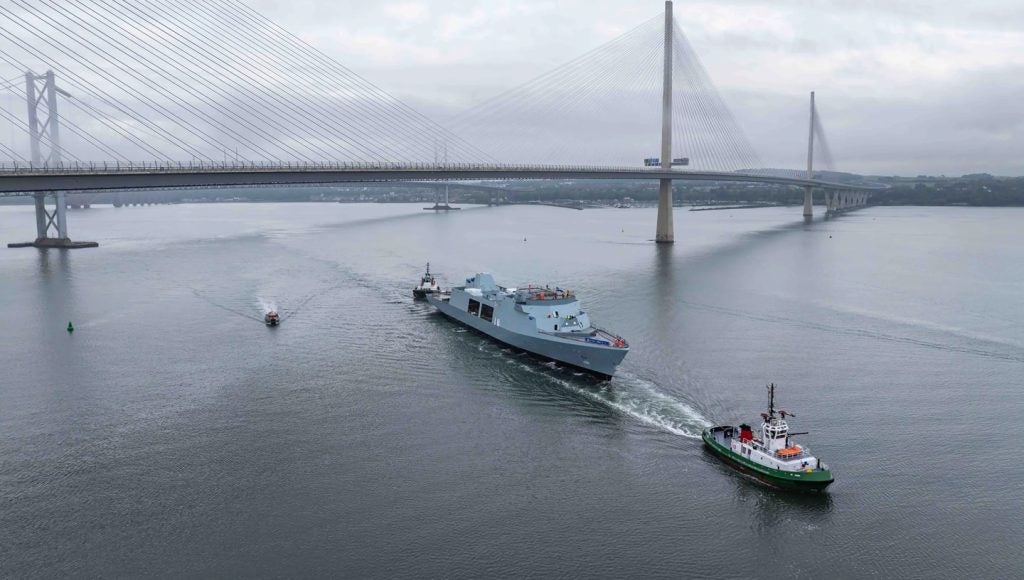
The design changes relate to ship one and ship two, with the latter vessel still retaining cross over in terms of necessary design-related changes. Given ships three and four are still in early construction phases, the extent of impact on these and future vessels has been comparatively reduced.
“As a consequence, we have performed an engineering maturity review, and we have updated our financial estimates to complete the programme, given the elevated levels of work due to engineering change and productivity,” Babcock stated.
“These re-estimates not only cover the production costs of material and personnel, but also an increased programme risk contingency.”
This has been reflected in an expected charge on the contract – subject to audit – of £140m for the revised costs to complete delivery of the Type 31 design and build contract. Babcock said that it estimated that around £100m of the £140m would be recognised as a revenue reversal in FY26, with the balance increasing the contract loss provision.
What are the Type 31 design changes?
When contacted, Babcock did not specify what the changes to the Type 31 design might be, but Naval Technology previously reported in 2024 that the planned introduction of the MK 41 vertical launch system (VLS) – not part of the original design – would come during capability insertion periods (CIP) undertaken after the frigates were in service.
Given that the decision by the (now previous) UK Government in 2023 to equip the MK 41 into the Type 31 frigates came after construction had commenced on ships one and two, it could be that the changes to those vessels include shifting corridors or cabling required to create the cavity into which the MK 41 VLS can be placed at a future date.
Type 31 frigates (Royal Navy configuration)
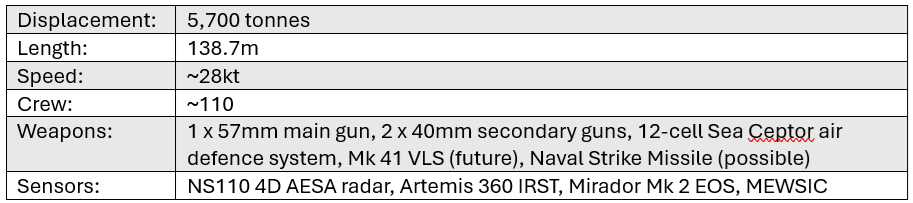
A deal was announced in April 2025 where Babcock revealed that the planned CIP for the Type 31 frigates would add “crucial capabilities” that will support the frigates through their service life, and includes the insertion, testing, and enhancement of a number of upgrades that would “enhance the Type 31’s military capability”.
The announcement of a five-ship CIP for the Type 31 class, and the commitment to upgrades, point to the frigates being built to a ‘fitted for but not with’ configuration, in preparation for future MK 41 VLS installation.
How big is the MK 41 VLS?
According to manufacturer Lockheed Martin, the MK 41 VLS consists of an initial eight-cell module that can be assembled in required multiples to meet specific mission and hull needs. Currently, the system is deployed in 13 configurations across its operators, ranging from a single module of eight cells to 16 modules and 122 cells.
The basic module is available in two sizes: strike and tactical length. Lockheed Martin states that the strike module is approximately 25ft (7.6m) long and capable of launching large missiles, such as those that support sea-based ballistic missile defence and long-range strike.
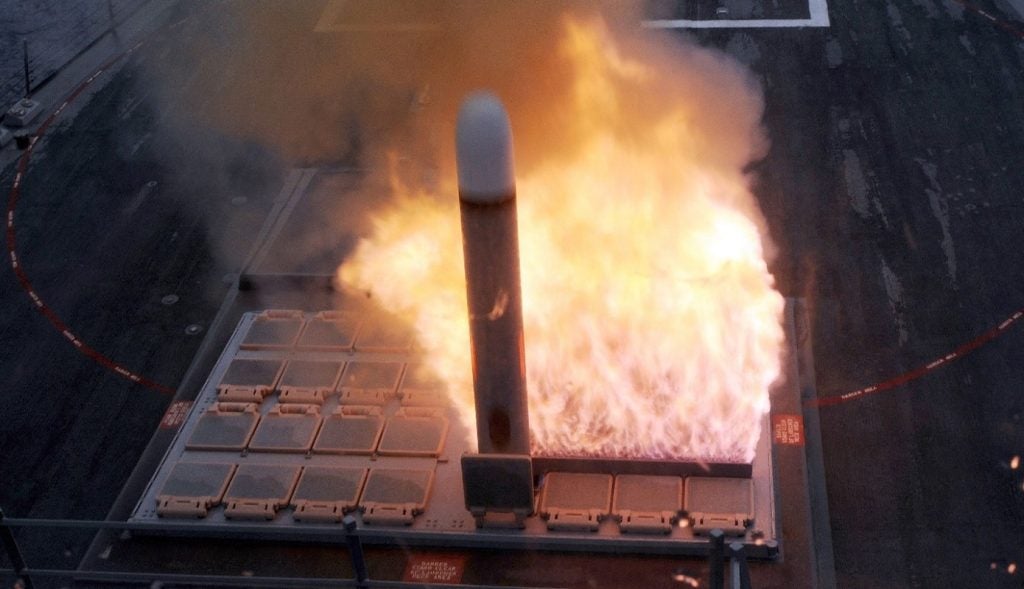
The tactical module is approximately 22ft long and is capable of accommodating the same missile types as the strike length with the exception of the Tomahawk cruise missile and missiles designed for a ballistic missile defence role.
Given the Type 31 frigates will feature the SeaCeptor air defence system, it is possible that the UK will opt for the strike length MK 41 VLS, providing the ability for the vessels to accommodate the Tomahawk land attack cruise missile or its Maritime Strike Tomahawk variant, and the Future Cruise/Anti-Ship Weapon (FC/ASW).


