

- MoD confirms £4.4m lost on Dreadnought “unproductive hours”
- Another Dreadnought-linked contract was terminated after security reviews; details withheld
- With £23.2bn spent so far, fears grow the £41bn budget will be exceeded
Unspecified “unproductive hours” attributed to an unnamed contractor working on the UK’s strategic Dreadnought ballistic missile submarine (SSBN) programme resulted in millions of pounds lost to so-called ‘fruitless payments’ – effectively costs that should have been avoided.


The disclosure was made by UK Defence Readiness Minister Luke Pollard in response to the latest in a series of questions from his opposite number in the Conservative Party, Ben Obese-Jecty, into fruitless payments in the UK defence nuclear sector.
Listed far down in the UK Ministry of Defence’s Annual Report and Accounts published earlier this year was mention of the fruitless loss of just over £4.4m ($5.8m), which was attributed to ‘training activities linked to Submarine Acquisition Programme’.
This loss, it has now emerged, is related to the Dreadnought SSBN programme.
“The loss relates to the Dreadnought programme and covers payment for unproductive hours incurred by the contractor,” said Pollard on 23 September, in a Hansard parliamentary written response.

The admission follows another response in early-September, when Pollard said a contract within the Dreadnought supply chain was terminated following “security reviews” by the Defence Nuclear Enterprise (DNE).
“The detail is unsuitable for disclosure due to the classification and sensitivity of the programme,” Pollard stated.
On that occasion, the loss was reported as being smaller, amounting the nearly £1.7m, with no further details provided in the MoD’s accounts report.
In neither instance of the two fruitless losses associated with the Dreadnought programme in 2025/26 was any defence contractor named.
The truth behind the Dreadnought budget
Detailed in the recent DNE 2026 Annual Update, the Dreadnought SSBN programme has cost £23.2bn to date, including a further £8.4bn investment in July at the start of Delivery Phase 4 of the programme.
Both Conservative and Labour governments forecast that the estimate for the Dreadnought programme would “likely cost £41bn”, which includes a £10bn contingency. Given that over £23bn has been spent thus far and with at least five years before the first-in-class will come close to entering service, there is real fear that this £41bn budget will be exceeded.
“The programme continues to face significant pressures and associated risks given the complexity of this mega project and the wider economic environment,” wrote Secretary of Defence Wes Streeting in the DNE report.
The first-in-class SSBN, HMS Dreadnought, is expected to be ready to enter service with the Royal Navy in the early 2030s. It is not known whether this will coincide with the departure of one of the four preceding Vanguard-class SSBNs, or whether the Royal Navy will see a temporary reduction or partial gapping of its nuclear deterrent force.
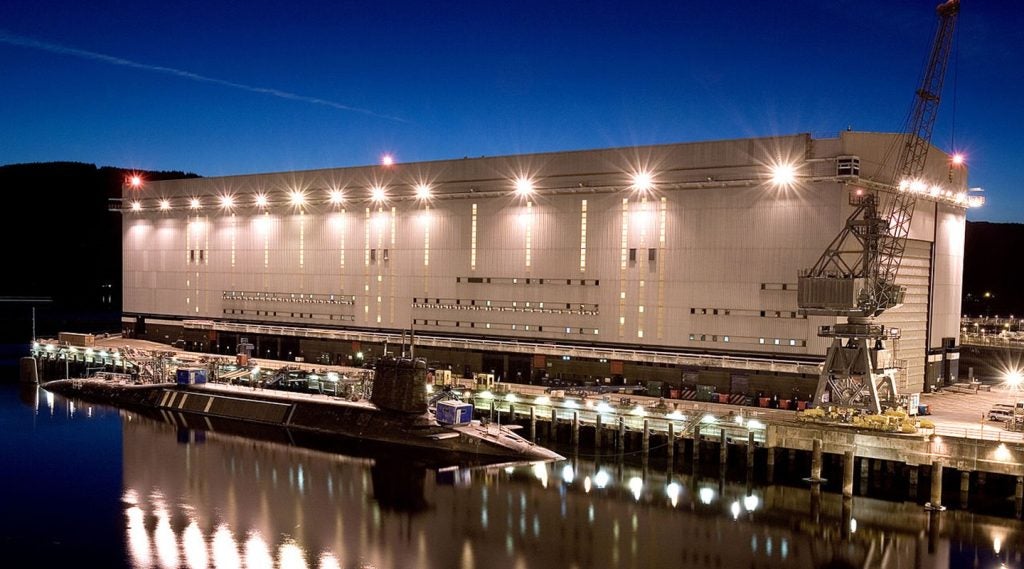
Indeed, the actual viability of the UK’s nuclear deterrent has been called into question due to the age of the Vanguard SSBNs given that the first-in-class HMS Vanguard has been in service for over 33 years, commissioning in August 1993.
The Vanguard class had a planned service of around 25 years, which would have fitted with the service life of the preceding Resolution and Polaris classes, which had around a 27-year service life on average.
Additionally, the past two publicly known test firings of the Vanguard’s Trident II D5 ballistic missiles have been failures.
The most recent, in 2024, reportedly saw the missile’s first stage engine fail to ignite, with the munition flopping into the ocean right next to the Vanguard-class SSBN, which had senior UK Government figures and defence officials embarked to observe the exercise.
Sixth Astute submarine finally heads to sea
Meanwhile, the UK’s newest Astute-class submarine, HMS Agamemnon, has taken a belated step towards operational readiness following its departure from BAE Systems’ shipyard in the Barrow-in-Furness on 24 September.
The 7,400-tonne, 97-metre-long attack vessel’s maiden journey, began by traversing the shipyard’s dock system to reach the Walney Channel and on into the Irish Sea, stated a BAE Systems press release on 25 September.
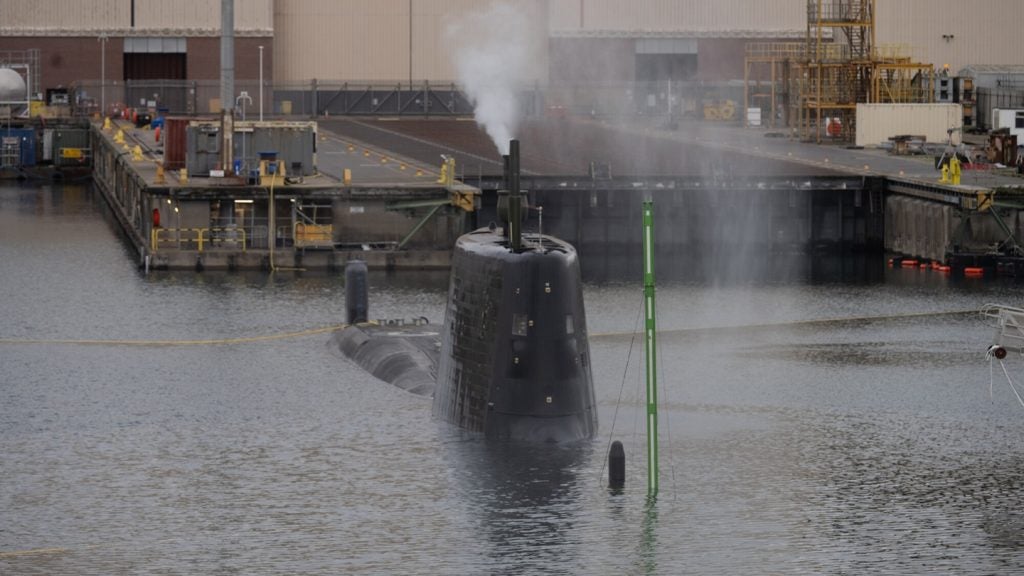
The submarine remained in Devonshire Dock for nearly two years following its launch in October 2024. Just weeks after its launch a devasting, 14-hour-long fire ripped through the Devonshire Dock manufacturing hall, causing unspecified damage to the facility and in-build submarines.
Crippling logistics and maintenance issues have meant that none of the five Astute-class submarines currently in service have been to sea for nearly four months, leaving the Royal Navy will no attack submarine to guard its Vanguard nuclear deterrent for much of 2026.


