

The Nyan one-way effector is an autonomous drone system developed and supplied by Callen-Lenz, a BAE Systems entity that designs and develops uncrewed aerial systems (UAS).
The drone system offers deep strike capabilities and target effects in highly contested environments.
Recommended White Papers

Recommended Buyers Guides

The platform’s production is supported by an established supply chain and can be localised where required.
Nyan one-way effector’s design and features
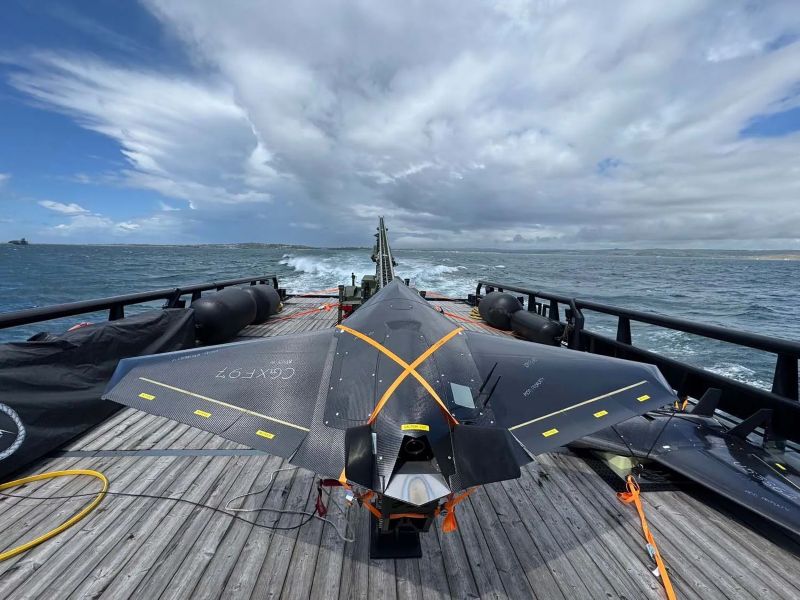
The Nyan one-way effector has a wingspan of 2.9m (9.5ft) and a maximum take-off weight of more than 75kg (165lb). It features an edge-matched, low-observable design with a carbon monocoque fuselage and redundant flight control surfaces. The drone uses a modular architecture that can support upgrades during service.
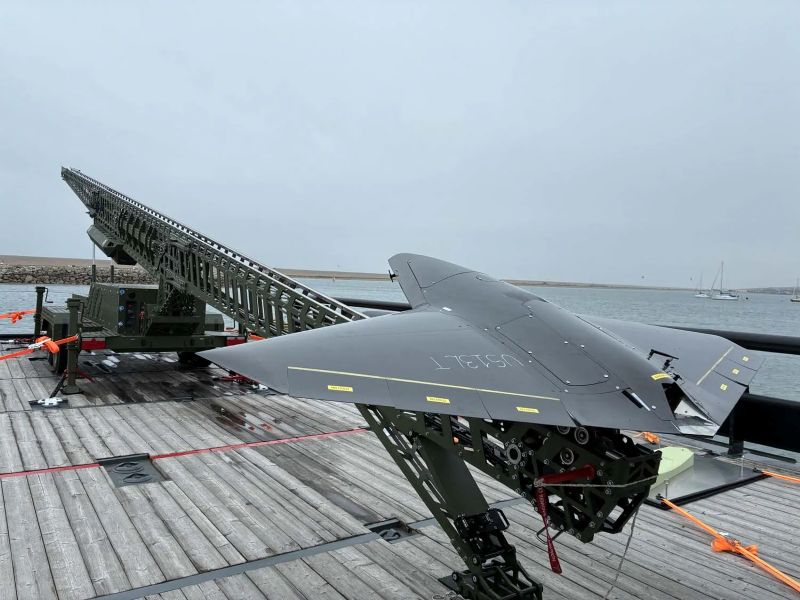
The autonomous drone system is launched by a pneumatic catapult and can carry a payload of less than 20kg. It features a payload bay that can accommodate different kinetic and non-kinetic payload configurations.
The drone has a low radar cross-section, and its jet-powered design and manoeuvrability enable launch operations from unprepared ground locations. The mission-control system is designed to reduce the complexity of operation.
Nyan is intended to operate in global navigation satellite system (GNSS) denied environments.
Propulsion and performance of Nyan
The Nyan one-way effector is powered by a single gas turbine. It has a range of more than 250km and a cruise speed of 220km/h.
Nyan is designed to meet Specific Operations Risk Assessment (SORA) 2.5 and Specific Assurance and Integrity Level (SAIL) II requirements during test and evaluation flights.
Field tests of Nyan autonomous drone system
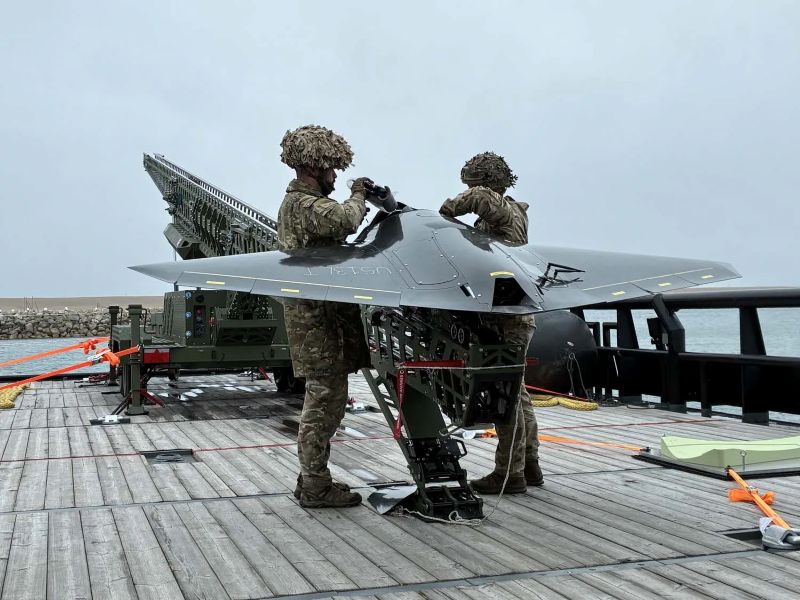
In May 2026, the British Army deployed the Nyan one-way effector in Estonia during Exercise Spring Storm. The deployment formed part of the UK’s deep-fire capability supporting North Atlantic Treaty Organisation (Nato) allies. Threod Systems’ Estonian-built CATA B launcher was used alongside the drone.
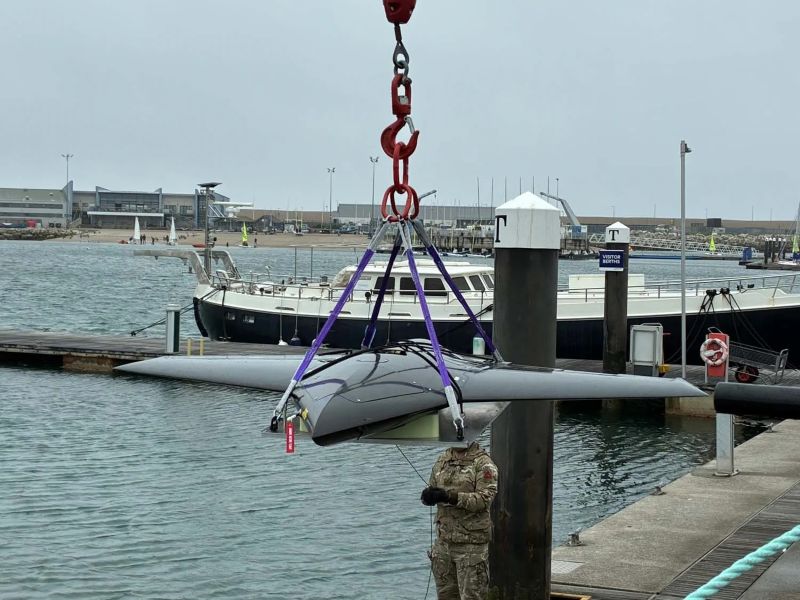
In July 2026, the Royal Navy tested the Nyan drone from the experimental vessel XV Patrick Blackett off the south coast of England. Personnel from the British Army and the Royal Air Force (RAF) participated in the trial, which involved launching the drone from a deck-mounted system towards a designated target.
The activity took place under Project Vantage, a tri-service programme assessing maritime one-way effectors and the integration of uncrewed systems with crewed naval platforms. The drone was launched and flown while the vessel was underway, supporting further testing of the capability for naval operations.
During trials in the North Atlantic in mid-October 2026, the Nyan one-way effector was launched from the flight deck of HMS Queen Elizabeth for the first time. The system completed four launches from the aircraft carrier during the Royal Navy’s Exercise Neptune Reach B, with each drone reaching its designated strike point. The exercise involved the Royal Navy, British Army, and Royal Air Force under Project Vantage, which is focused on testing and introducing maritime strike drones.
Nyan one-way effector’s mission capabilities
The Nyan autonomous drone system can undertake deep-strike missions against targets in adversary territory. It can also be used as an attritional decoy to prompt hostile air-defence networks and electronic warfare (EW) assets to reveal their position.
The platform can also support counter-uncrewed aerial systems (C-UAS) Red Air training by simulating opposing aerial threats.
The drone is listed on the UK Military Aviation Authority (MAA) Military Aviation Register (MAR). It also conducts routine flight operations under UK Civil Aviation Authority (CAA) Specific Category permissions for civil remotely piloted aircraft systems (RPAS).
