

- Nato allies France and Germany have today contributed a small band of troops to Greenland’s security and further miltiary capabilities at a later date
- Meanwhile, Denmark claim it is investing $13.7bn in Arctic security
- US President Donald Trump’s threats to take Greenland is being taken seriously after American Special Forces captured Venezulean President Nicolas Maduro
Denmark has been forced to allocate more military resources and platforms to Greenland this week with the government determined to prove it can indeed protect its Arctic territory.
The pressure is building, less beacause of Russian submarines or China’s strategic manouevring, even if this is a growing reality, but because US President Donald Trump is looking for an opportunity to take control over the world’s largest island.

Discover B2B Marketing That Performs
Combine business intelligence and editorial excellence to reach engaged professionals across 36 leading media platforms.
Trump’s unilateral action on the world stage, demonstrated by US Special Forces’ capture of the Venezuelan President Nicolas Maduro, has left Europe disconcerted. No understanding was reached yesterday (14 January) after a frank discussion among Danish, Greenlandic, and US officials in the White House.
The strategic landmass lies in the High North theatre, valuable for its access to melting waterways but also its untapped wealth of energy and minerals.
“In the period ahead,” the Danish Government said in its press release on 14 January, “an increased military presence [will emerge] in and around Greenland, comprising aircraft, vessels and soldiers, including from Nato allies” such as France and Germany, which have sent a small band of troops and military equipment to the autonomous Danish territory.
French President Emmanuel Macron said on 15 January that he will strengthen this initial deployment with additional unspecified Air Force assets at a later date.
Joint exercise activities in 2026, they continued, could include guarding critical infrastructure, providing assistance to local authorities in Greenland, receiving allied troops, deploying fighter aircraft in and around Greenland, and conducting naval operations.
Naval assets
Denmark claims it will invest $13.7bn in Arctic security for the protection of Greenland and the Faroe Islands going forward. But the leading domain in its growing military presence is its naval projection.
Foremost among its new force structure are its five Arctic patrol vessels (three of which were announced last year).
These forthcoming ships will be able to fulfil tasks around Greenland more efficiently while carrying helicopters and uncrewed systems.
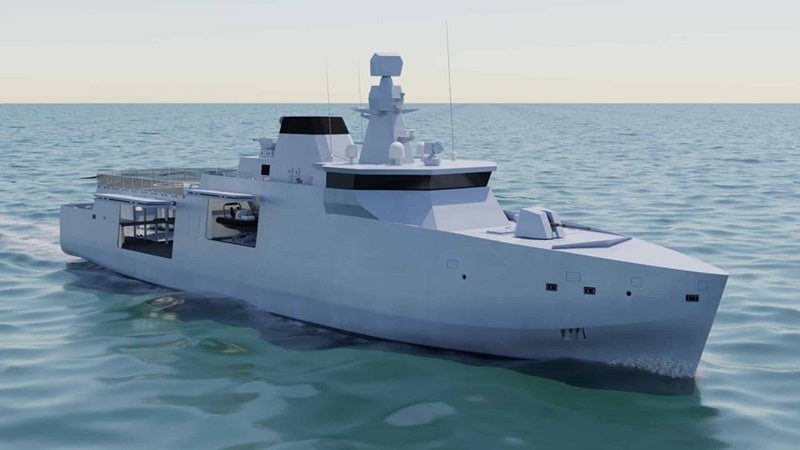
Moreover, Denmark has committed to procuring an icebreaker capability for its Arctic fleet. The government stated its intention to explore options with a local supplier with experience in this field.
When these new Arctic vessels enter service, the government announced it will consider the sale or transfer of one of its Knud Rasmussen-class ocean patrol vessels to Greenland for use in coast guard and fisheries inspection tasks.
As Denmark strive to acquire five ships and an icebreaker capability it may be worth comparing these plans with Russia’s existing Arctic fleet: comprising eight nuclear powered icebreakers and 34 conventional diesel powered vessels according to the Russian state media agency TASS.
A portion of these, however, are ageing legacy vessels and we must likewise acknowledge Nato’s 45 collective icebreaking-capable ships (three of which are American). But, notably, no Nato ally has yet deployed such a vessel to Greenland.
Funds will also be allocated so that the Armed Forces increase its maritime patrol aircraft capacity in cooperation with a Nato ally.
Maritime patrol aircraft can be equipped with anti-submarine warfare and which have the capability to identify and combat enemy fleet vessels. The acquisition of maritime patrol aircraft strengthens the capability to further ascertain the maritime situational awareness in the Arctic and North Atlantic, including the GIUK gap.
Air assets
Crucially, in East Greenland, the Danish Government will set up a new air surveillance radar for situational awareness in the Arctic and North Atlantic regions.
This permanent base will add to existing US airfields, missile detection and early warning systems, and space surveillance infrastructure across Greenland, including, for example, Pituffik space base, home to the 821st Space Base Group and is part of Space Base Delta 1.
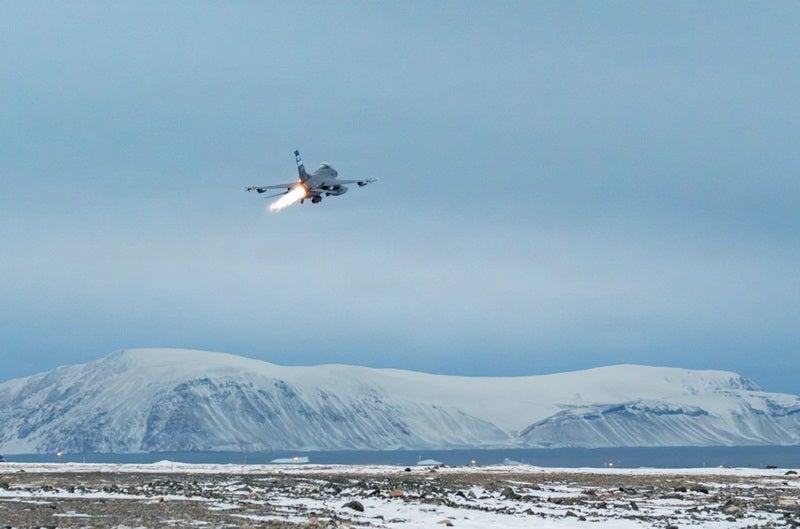
In addition, Denmark plans to buy new smaller uncrewed aerial systems (sUAS) that will further improve its ability to establish situational awareness.
Plans are also underway to upgrade Kangerlussuaq Airport to support permanent or frequent deployment of the new F-35A Lightning II jets.
Land assets
The tangible Army development to come to Greenland will be the new headquarters for Joint Arctic Command (JAC) in the capital Nuuk.
The headquarters will have the capacity to house JAC – which conducts maritime surveillance and assertion of sovereignty – and support future developments in operations. JAC will also gain increased capacity to support temporary lodging of reinforcement contributions and allies.
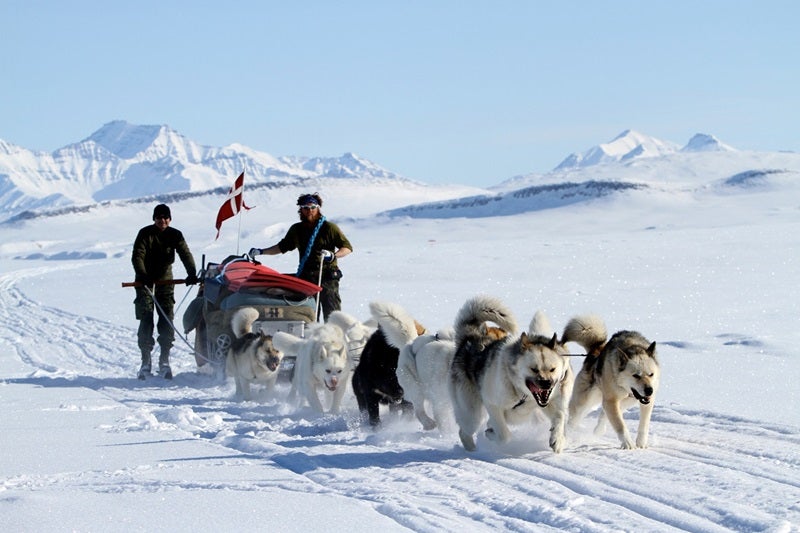
Other forms of land support in Greenland will see the creation of a specialised Arctic unit under Special Operations Command. The unit will focus on operative deployment in the Arctic, providing additional first responder capability and strengthening the Danish Armed Forces’ response to incidents in the Arctic.


