

Battlefield testing in Ukraine and the Middle East coupled with a rise in loitering munitions sales is projected to drive the value of the global military UAV market to just under $18bn by 2033, according to a new report from GlobalData.
The Drones in Aerospace and Defence report points to increased modularity, the use of swarm technology, the adoption of AI and increased sensor capabilities as key factors driving the loitering munitions market growth.

Discover B2B Marketing That Performs
Combine business intelligence and editorial excellence to reach engaged professionals across 36 leading media platforms.
Loitering munitions are a rapidly expanding segment within the UAV market, combining the benefits of precision-guided munitions and unmanned autonomy within a single platform.
In 2023, the military UAV market was valued at $10.93bn but will rise at a CAGR of 5.1% to reach $17.96bn by 2033.
The Ukraine theatre
From the RQ-2 Pioneer used in 1991 during Operation Desert Storm, to the MQ-9 Reaper used in current conflicts in Syria, the US has led the way in the development and utilisation of unmanned capabilities.
But the Russia-Ukraine conflict has provided ample battlefield experience for international UAV models.
Extensive footage has circulated in Russian mil-blogger channels of Russian tactical drones, such as the Orlan-10, seeking out and suppressing Ukrainian TELAR SAM systems. These drones then guide loitering munitions such as the ZALA Lancet or HESA Shahed-136 to the area.
Also known as ‘suicide drones’, Shahed drones are manufactured by Iran Aircraft Manufacturing Industrial Company (HESA), a subsidiary of the state-owned Iran Aviation Industries Organisation.
Iran announced its intention to build Shahed construction sites in Russia and Belarus last August.
On 25 November, 75 Shahed UAVs were sent in waves by Russian military forces in what Kyiv described at the most intensive drone attack since the conflict began.
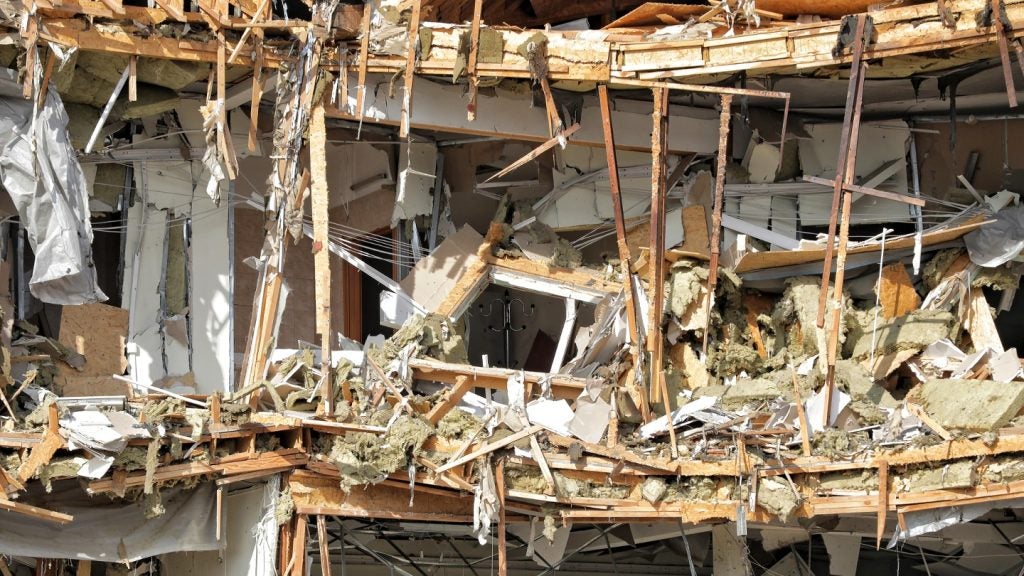
Meanwhile, Iran-backed militant groups have frequently used Shahed derivatives against Israel as it continues its assault on Palestine.
Aside from rockets, artillery and missiles, Iran has supplied Lebanese militia Hezbollah with Iranian-made drones like Karrar, Mohajer and Sammad, as well as Ayoub – a Shahed derivative with a 1,000-mile range.
Who leads the industry in military UAVs?
In addition to loitering munitions, the defence drone market can be broadly split into three categories: tactical, operational and strategic munitions. Most leading drone producers are spread across multiple of these categories.
GlobalData’s report names AVIC, Boeing, CASC, General Atomics and Lockheed Martin as industry leaders in military-specific drones.
Airbus, BAE Systems, Baykar, Elbit Systems, Korea Aerospace Industries, Kratos Defense, RTX Corp and Turkish Aerospace Industries were named as the main challengers in the sector.


