

- QinetiQ has installed a larger water tank to test underwater signatures
- This tank is six metres long by two metres wide and 1.5 metres deep
- Additional space will enable larger uncrewed mine hunting vessels’ magnetic fields to be measured and lowered
The UK’s Magnetic Assessment Services team, led by QinetiQ in Dorset, has installed a new water tank large enough to test the underwater signature of large uncrewed underwater vehicles (UUVs).
Specifically, the company states this will support UUVs inducted under the Ministry of Defence’s (MoD) minehunting capability (MHC) programme.
Go deeper with GlobalData


Discover B2B Marketing That Performs
Combine business intelligence and editorial excellence to reach engaged professionals across 36 leading media platforms.
MCH platforms include a rnage of uncrewed surface and underwater systems as well as remotely oeprated vehicles. But among the increasingly uncrewed segment, there is the Iver4 580 and SeaCat (designated MAUV by the UK) autonomous underwater vehicles (AUVs).
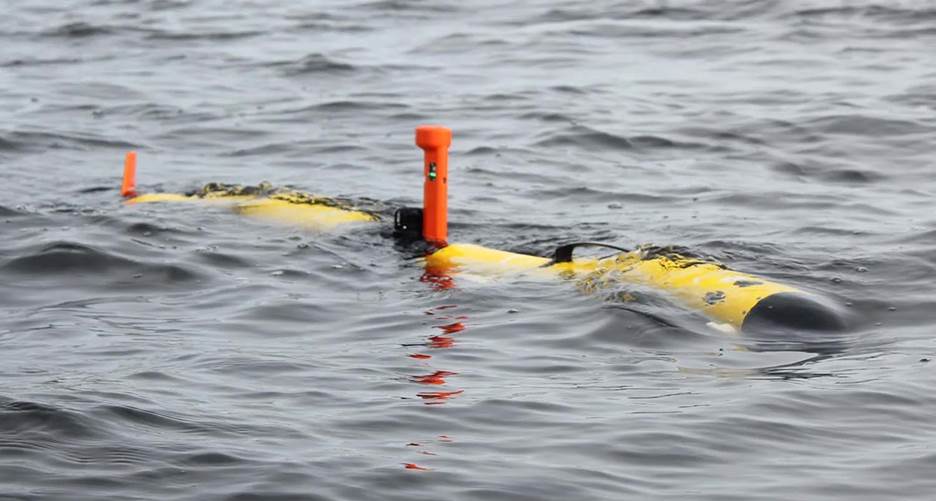
The tank allows the team to record the vessels’ data and that of its component parts, which together make up the vessel’s magnetic signature – the unique marker it leaves when it disturbs the earth’s magnetic field as it moves underwater – that threats such as undersea mines use as their trigger to detonate.
Jim Graham, managing director for maritime and land at QinetiQ, said:
“This investment demonstrates QinetiQ’s commitment to assisting the Royal Navy deploy safely and enhance the maritime security of all allied nations at pace.”
The new, large water tank at MoD Portland Bill will complement existing medium and smaller-sized tanks, enabling more military-grade products to reach the test stage as they are developed.
Graham also confirmed that the new capacity will be open to other companies developing their own UUVs and USVs. This is significant since the UK has made clear that it is cultivating a hybrid navy, where uncrewed and autonomous assets may remove personnel from harm, and of course this applies to minehunting missions.
Recent developments in the Gulf have prompted European partners to muster their collective mine countermeasures for a potential mission to demine the Strait of Hormuz following the end of hostilities (though, still ongoing) between the US and Iran.
QinetiQ has been measuring and helping to reduce the magnetism of the UK’s underwater military assets for more than ten years, supporting the Royal Navy to ensure platform magnetic signature levels are known before deployment and reduced as much as possible.
Testing takes place in a magnetically controlled area utilising a large coil system that replicates any world-wide magnetic field or can locally reduce it to zero, making it ideal for this type of testing.


