

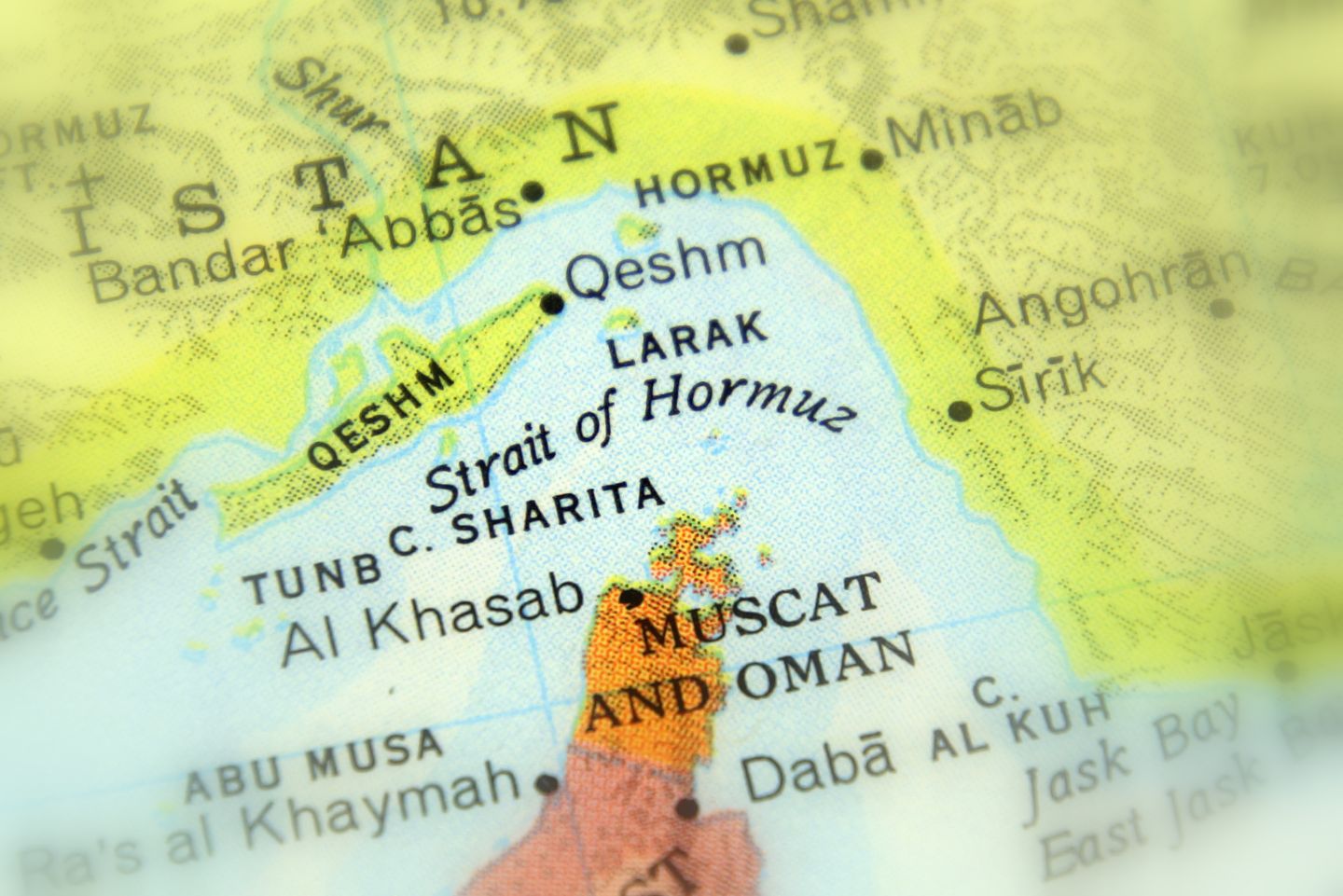
- Hundreds of oil and LNG tankers remain stranded in Gulf waters amid growing hostilities, highlighting the scale of disruption at the Strait of Hormuz, one of the world’s most critical energy checkpoints.
- US naval escort operations are likely to increase the cost of maritime energy transport, due to convoy procedures, slower transit speeds, longer waiting times, and higher war-risk premiums.
- An expanded US naval presence along this energy corridor carries broader geopolitical implications, reinforcing China’s incentives to diversify supply routes and strengthen domestic energy security.
The US Energy Secretary announced today that the US Navy will escort ships through the Strait of Hormuz as soon as reasonably possible. The statement follows earlier remarks by President Trump on the same issue and underscores growing concern in Washington about the potential economic consequences of a prolonged disruption to energy flows through the strait, a critical chokepoint for global oil and LNG supply chains.
Several hundred oil and LNG tankers are currently stranded in Gulf waters due to the ongoing hostilities. The longer the disruption persists, the greater the economic impact is likely to be across multiple economies, including the United States. Escorting oil and LNG tankers by the US Navy may provide an immediate measure to ease the transportation bottleneck in the strait; however, it would also alter the cost structure of maritime shipping and carry broader geostrategic implications, particularly for Asian markets, above all, China.
Go deeper with GlobalData

Access deeper industry intelligence
Experience unmatched clarity with a single platform that combines unique data, AI, and human expertise.
What do we expect?
- We anticipate that US Navy involvement in escort operations for oil and LNG tankers transiting the Strait of Hormuz will increase shipping costs. Naval escort requirements would alter the risk profile, logistics, and operating patterns of maritime transport in the region. Convoy procedures typically reduce transit speeds, raise charter costs, and lower fleet utilisation for shipowners. They can also increase waiting times for vessels entering escorted corridors while prompting insurers to raise war-risk premiums.
- A significant US Navy presence in the Strait of Hormuz could incentivise the Islamic Revolutionary Guard Corps (IRGC) to target US naval assets or escorted commercial vessels in an attempt to disrupt escort operations. Such attacks could involve both conventional and asymmetric methods, including drones, anti-ship missiles, and sea mines. The likelihood of such actions could rise if the Iranian regime’s survival comes under severe pressure or if the IRGC’s command-and-control structures are significantly degraded, potentially leading to fragmented and less coordinated operational behaviour.
- Although US Navy escorts through the Strait of Hormuz may provide some relief to buyers in Asian markets, the development is likely to be viewed with suspicion in Beijing. Given China’s heavy reliance on oil and LNG supplies from the Gulf, an expanded US naval presence along this critical energy corridor could be perceived as a long-term geopolitical vulnerability. We anticipate that, regardless of the outcome of the current conflict, this episode will reinforce Beijing’s incentives to strengthen its energy security by expanding domestic oil and gas production, increasing reliance on inland supply routes across Eurasia, and accelerating investment in grid upgrades and energy storage.

