

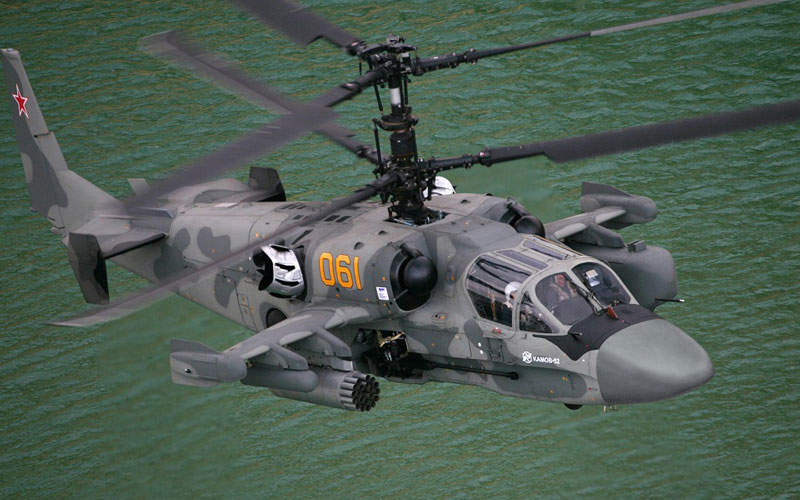
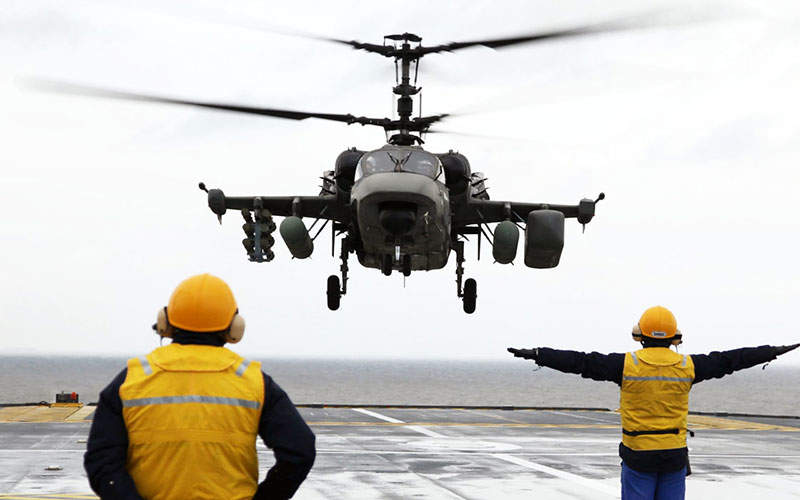
Ka-52K Katran Helicopter is a ship-based version of the Ka-52 Alligator reconnaissance and combat helicopter, which is under production for the Russian Armed Forces.
Designed for operations on board the French-built Mistral-class amphibious assault ships, the helicopter is being manufactured by Russian Helicopters.
Recommended White Papers

Recommended Buyers Guides

The helicopter can be deployed in combat, target acquisition and designation, maritime patrol, and convoy escort missions.
The first Ka-52K prototype made its maiden flight in March 2015 and was displayed at the International Maritime Defence Show (IMDS-2015) in July 2015. Russia signed an agreement with Egypt for the delivery of 46 Ka-52K ship-based attack helicopters in December 2015.
Ka-52K helicopter design and features
The new ship-borne Ka-52K is based on the airframe of the Ka-52 Alligator, which itself is a modified variant of the Ka-50 attack helicopter. The fuselage is covered with resilient anti-corrosion coating and is fitted with folding blades and wings.
The equipment and systems of the helicopter have been modified to suit naval operations.
The rotor system is equipped with elastomeric bearings in blade-mast joints for higher take-off weights. The helicopter complies with the latest Russian and international standards for the technical operation of military helicopters.
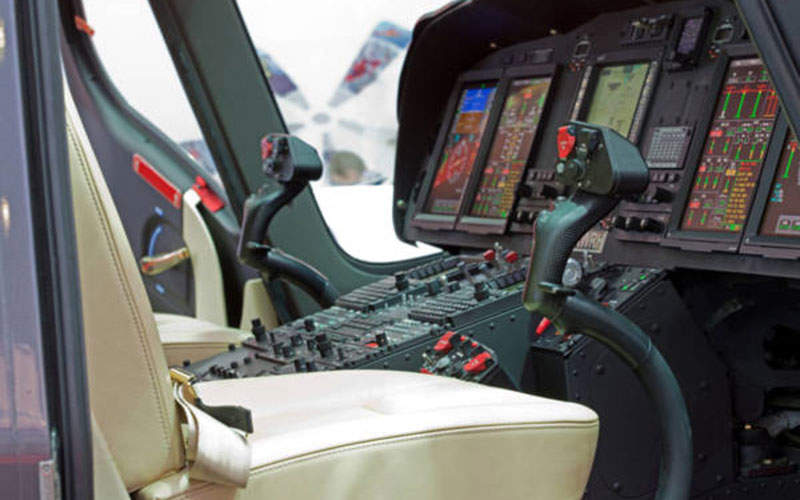
The helicopter features an advanced glass cockpit, which accommodates two pilots in a side-by-side layout. It can be operated by either pilot and is equipped with advanced avionics and powerful weapon systems, which can be configured for different roles.
The on-board avionics with the use of radio equipment and satellite navigation ensure autonomous landing on the ship deck, and the on-board equipment further makes the helicopter a network-centric system for interaction between the Navy and Air Force.
The helicopter is also integrated with an air-conditioning system for conducting missions in humid marine atmospheres.
Sensors / radars
The Ka-52K is equipped with a laser-beam guidance system and Okhotnik video processing system developed by KRET.
Okhotnik provides the helicopter with an increased range of detection and identification, while the auto-tracking stabilises the video field on the target and transmits a digital error code in case of a mismatch between the display coordinates and the line of sight.
The on-board Arbalet radar system allows the helicopter to effectively perform combat missions even in environments exposed to electronic jamming. The helicopter can detect hostile vessels at a range of 200km.
The ship-based helicopter is equipped with a Vitebsk defence system, SAU-800 automatic control system and GOES-451 gyro-stabilised optronic station.
The SAU-800 enables the pilots to operate the helicopter in manual, automated and automatic control modes. It is integrated with the SIVPV-52 data recording and processing system developed by Radioelectronic Technologies.
Ka-52K weapon systems
The helicopter carries a 2A42-1 30mm automatic cannon and high-fragmentation, explosive incendiary, or armour-piercing rounds.
The gun has a maximum rate of fire of 550 rounds a minute and can engage light-armoured targets within a range of 1,500m, soft-skinned targets and infantry at ranges of up to 4,000m, and air targets flying at low altitudes.
The Ka-52K is also capable of launching Kh-31 and Kh-35 air-to-surface missiles, similar to carrier-based MiG-29K/KUB multipurpose fighter jets and Sukhoi Su-33 (Flanker-C) aircraft.
Engines and performance
The power plant integrates two VK-2500 or VK-2500P turbo-shaft engines developing a maximum take-off power of 2,400hp each. The engines provide a maximum speed of 300km/h and cruising speed of 260km/h.
The helicopter has an operational ceiling of 5,500m and can climb at a maximum rate of 16m/s. The practical and ferry ranges of the rotorcraft are 460km and 1,100km respectively.
